
Technology and Realization
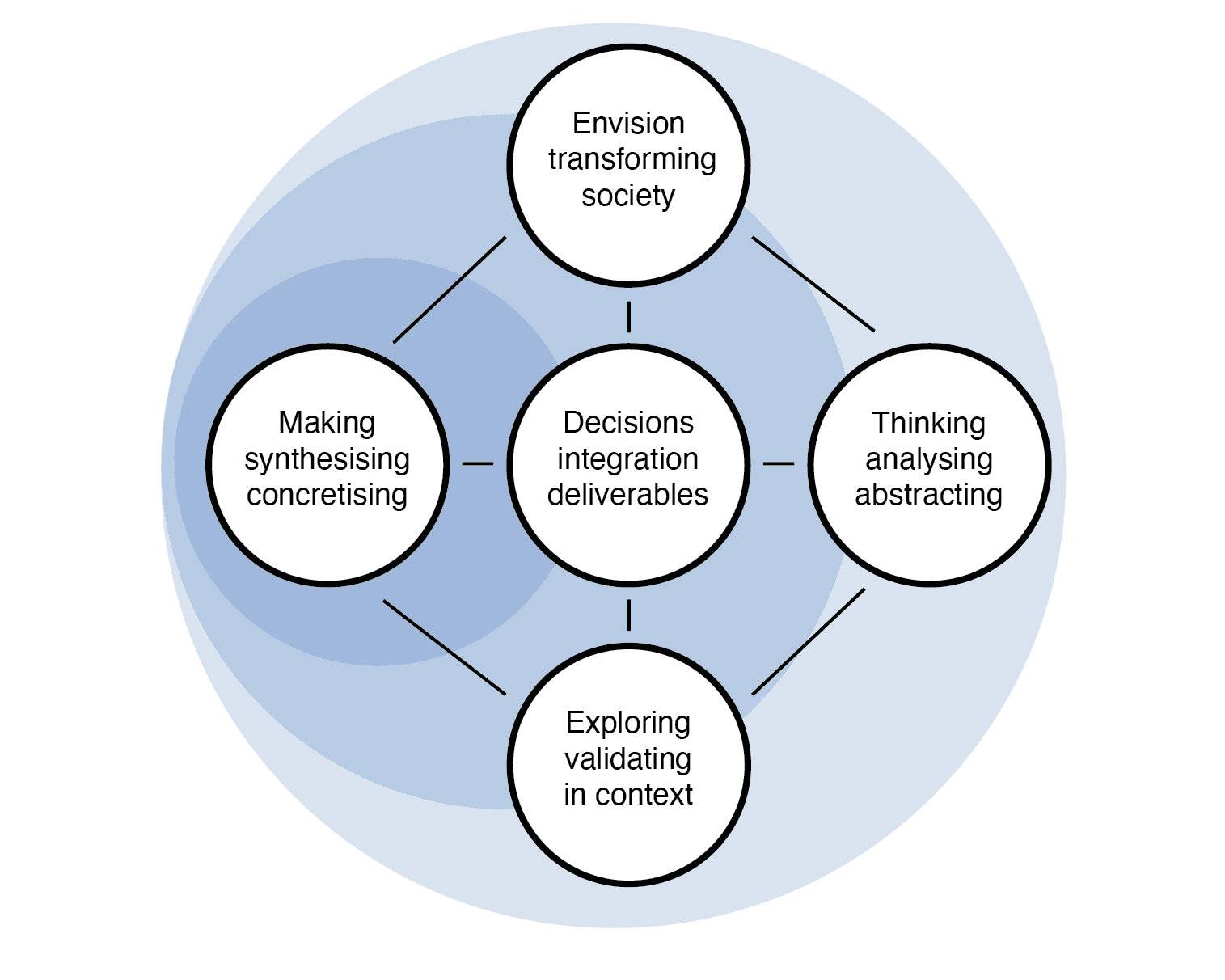
Figure 1. From research through the design process (Hummels & Frens, 2011), the phase of making plays a role in supporting each other.
Throughout my master’s journey, I increasingly came to see making not merely as a way of realizing ideas, but as a central activity that supports all other aspects of the design process. Inspired by the Reflective Transformative Design Process (Hummels & Frens, 2011), I understand prototyping and technical realization as tools for thinking, exploring, and envisioning rather than only producing final outcomes. Technology therefore became more than a means of implementation; it became a medium through which I investigate possibilities, generate knowledge, and shape design decisions.
Making supports Thinking
Building prototypes allowed me to externalize abstract ideas and reflect on them through interaction. In projects such as M12 and my Final Master Project, technological prototypes were not developed after concepts were finalized. Instead, they functioned as thinking tools that revealed new questions, opportunities, and directions for the design process.
Making supports Exploring
Making also enabled me to explore and validate ideas in context. Through iterative prototyping, field testing, and user interactions, technical artifacts became vehicles for collecting feedback and uncovering unexpected behaviors. Rather than evaluating whether a solution worked, prototypes often helped me understand how people interpreted and engaged with an experience.
Making supports Envisioning
Finally, making supported my ability to envision alternative futures. By materializing speculative interactions and experiential concepts, prototypes allowed stakeholders to experience possibilities that could not be communicated through words alone. This became particularly important in projects addressing body awareness and more-than-human interaction, where experiential qualities needed to be felt rather than explained.
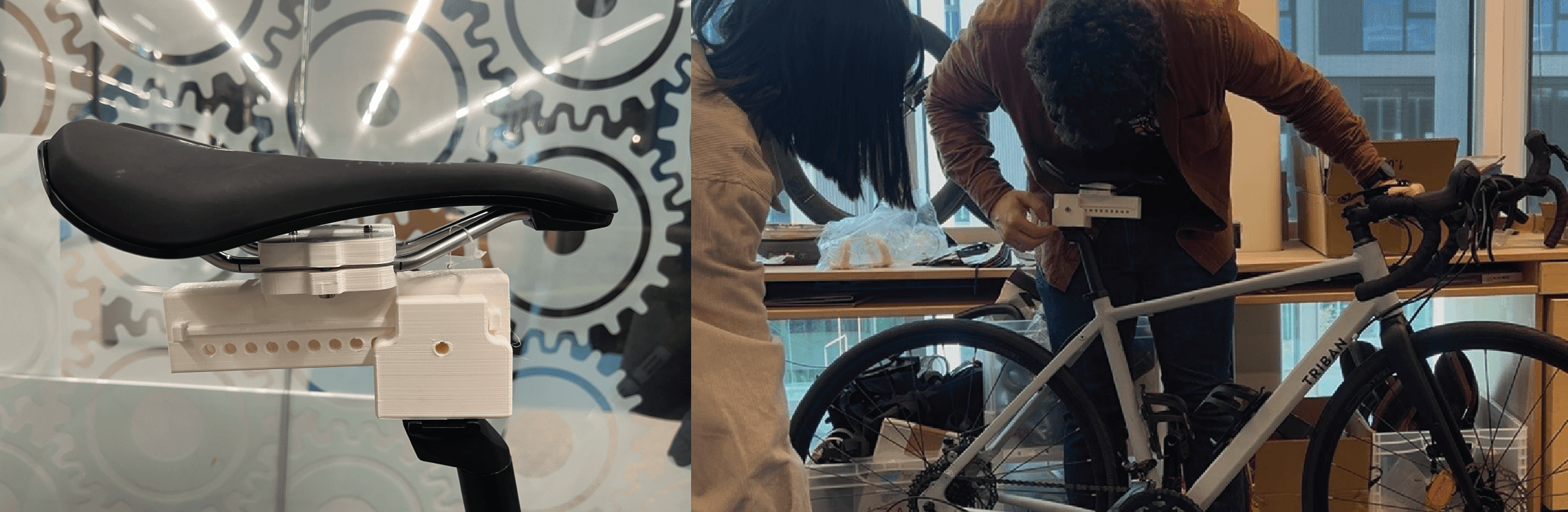
First iteration of M21 project. This phase was an explorative prototype. With freedom, usage possibilities, and some assumptions from my literature review, I utilized this prototype to narrow down the design direction from quick user testing and mental model interviews.
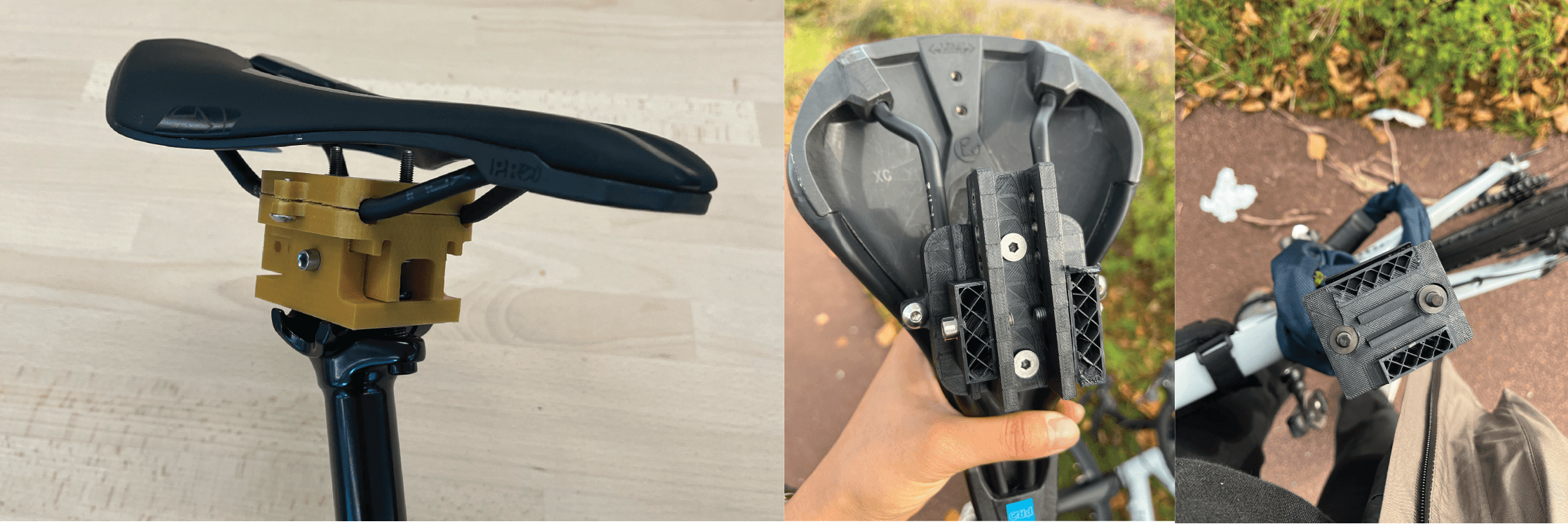
Second iteration established the basic final impression of this artifact. I tried two different materials for testing the stability. After some attempts, I came up with the most suitable printing material and supporting structure.
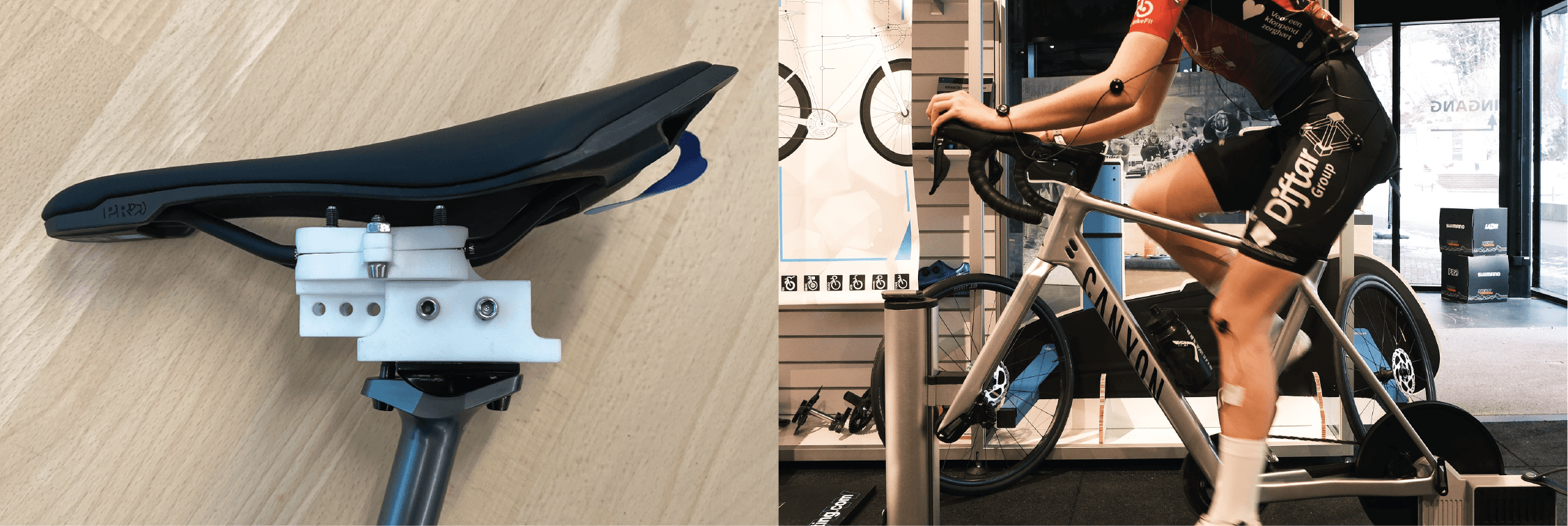
With suitable materials and a supporting structure, the final user testing went well and yielded results for this project.
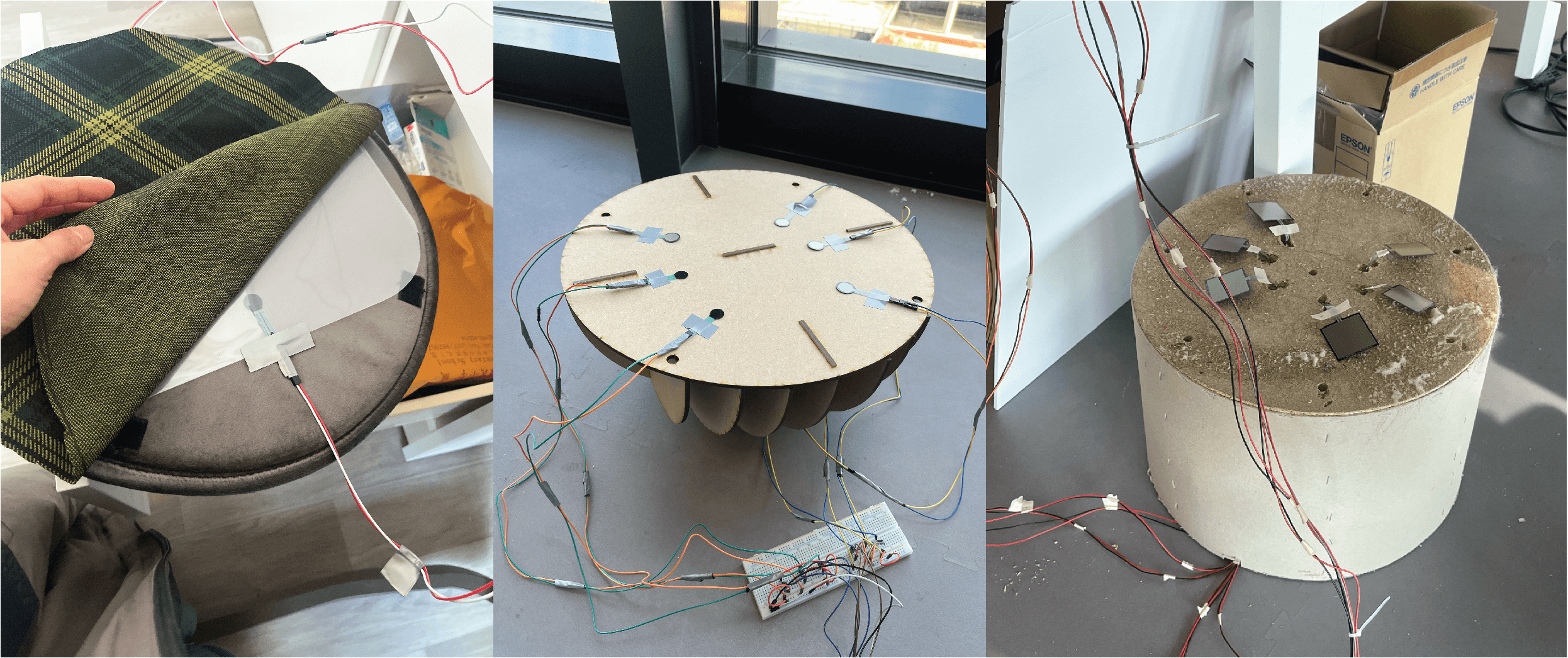
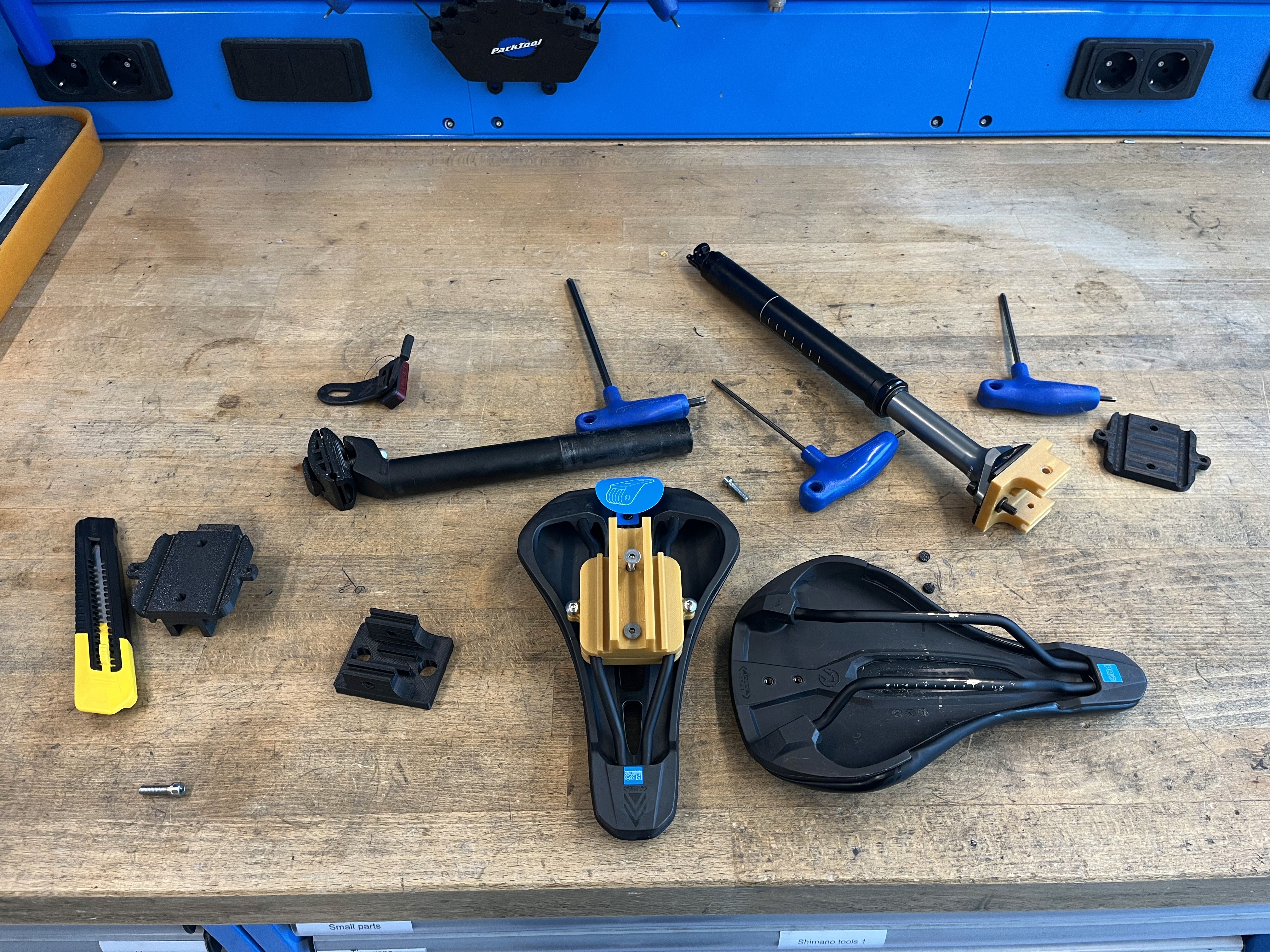
From my FMP, before the final soma probes, several iterations were tested, refined, and improved. This making phase triggered the progression of other phases in RTDP (Hummels & Frens, 2011), which allowed me to keep reflecting rather than getting stuck on a single hypothesis.
Something I would also like to address is that Recent advances in AI-assisted development enabled me to rapidly prototype and refine technical systems while maintaining ownership of design decisions and interaction qualities.
Current Position
Throughout my master’s journey, my relationship with technology evolved from learning tools to using making as a way of thinking, exploring, and realizing experiential concepts. Today, I see Technology & Realization not as mastering technology for its own sake, but as developing the ability to use making as a driver of reflection, exploration, and envisioning. My role is not to create technology-centered solutions, but to translate abstract concepts into tangible experiences that can generate new understanding.
Related courses and activities
DPM115 Project 1 Design
DPM120 Project 2 design research
DDPM210 Preparation Final Master Project
DBM190 Designing with and for digital twins: A data-driven design perspective
DDPM220 Final Master project




Reference
Caroline Hummels and Joep Frens. 2011. Designing Disruptive Innovative Systems, Products and Services: RTD Process. DOI: 10.5772/22580
Photo credit
Most of the pictures were taken by me, while some of them were taken by Melody Syu and Janna Bergmans.
AI statement
A significant development during my master’s journey was learning how to collaborate with AI-assisted programming tools. Coming from a design background rather than an engineering background, technical implementation initially felt like a barrier between ideas and realization. The emergence of tools such as ChatGPT and Gemini allowed me to engage more actively with electronics, programming, and interactive systems. Rather than replacing technical understanding, AI enabled faster experimentation, debugging, and iteration, allowing me to focus on how technical systems could support experiential and interaction qualities.