
Creativity and Aesthetics

Figure 1. The evolution of my understanding of Creativity & Aesthetics, from communicating information to shaping interpretation, atmosphere, and meaning-making.
Creativity and Aesthetics in my practice has evolved from focusing on visual communication toward shaping how people perceive, interpret, and engage with experiences. Early in my master’s journey, I primarily viewed aesthetics as a way to make information understandable and visually structured. Through projects involving body mapping and mental model visualization, I learned how visual language can help people externalize thoughts, emotions, and bodily sensations that are otherwise difficult to articulate.
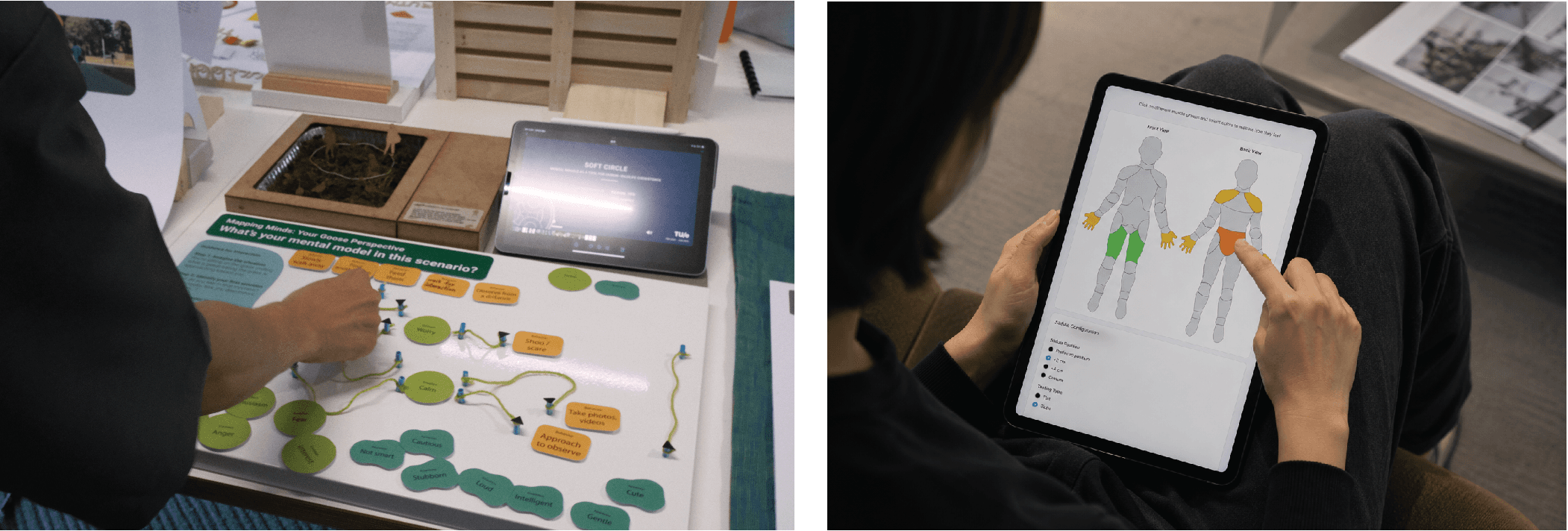
Figure 2. Visualization tools used to help participants externalize mental models, bodily sensations, and experiences that are often difficult to articulate verbally.
As my practice developed, I became increasingly interested in aesthetics as a tool for interpretation rather than communication alone. In projects such as the M12 human–goose coexistence project, visual representations and interaction qualities were designed not only to convey information but also to encourage participants to reflect on their own assumptions and relationships with wildlife. Through these experiences, I began to understand that aesthetics can shape how people construct meaning from an interaction.
This perspective further expanded through my work on product and interaction design. In my Shimano saddle adjustment project, aesthetic decisions were not limited to refining form and appearance. Material choices, physical proportions, and the overall expression of the prototype influenced whether users felt invited to experiment, trusted the system, and felt confident engaging with it. These experiences demonstrated that aesthetics plays an important role in shaping perception and user engagement.

Figure 3. Iterations explored how form, proportions, and material expression influence trust, approachability, and willingness to engage with the prototype.
In my Final Master Project, aesthetics became part of the entire interaction environment rather than a single artifact. The galaxy visualization, body-terrain receipts, projected visuals, and exhibition atmosphere were intentionally designed to support reflection rather than instruction. Rather than communicating a correct interpretation, these elements created space for participants to construct their own understanding of bodily experiences. Through this project, I learned that aesthetics can function as a mediator between complex systems and human experience, making abstract sensations perceptible and meaningful.
Video 1. The visualization was designed to create an open-ended interaction that encouraged exploration and personal interpretation.
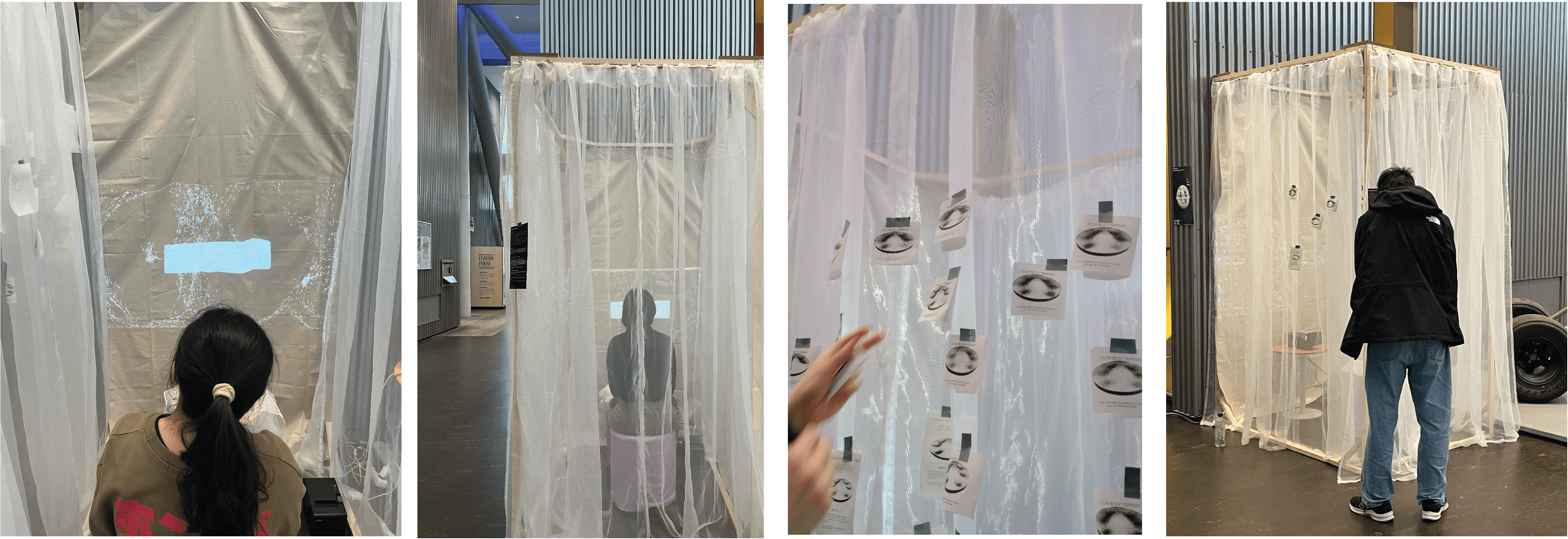
Figure 4. Spatial design decisions were used to create an inviting atmosphere that encouraged reflection, participation, and discussion.
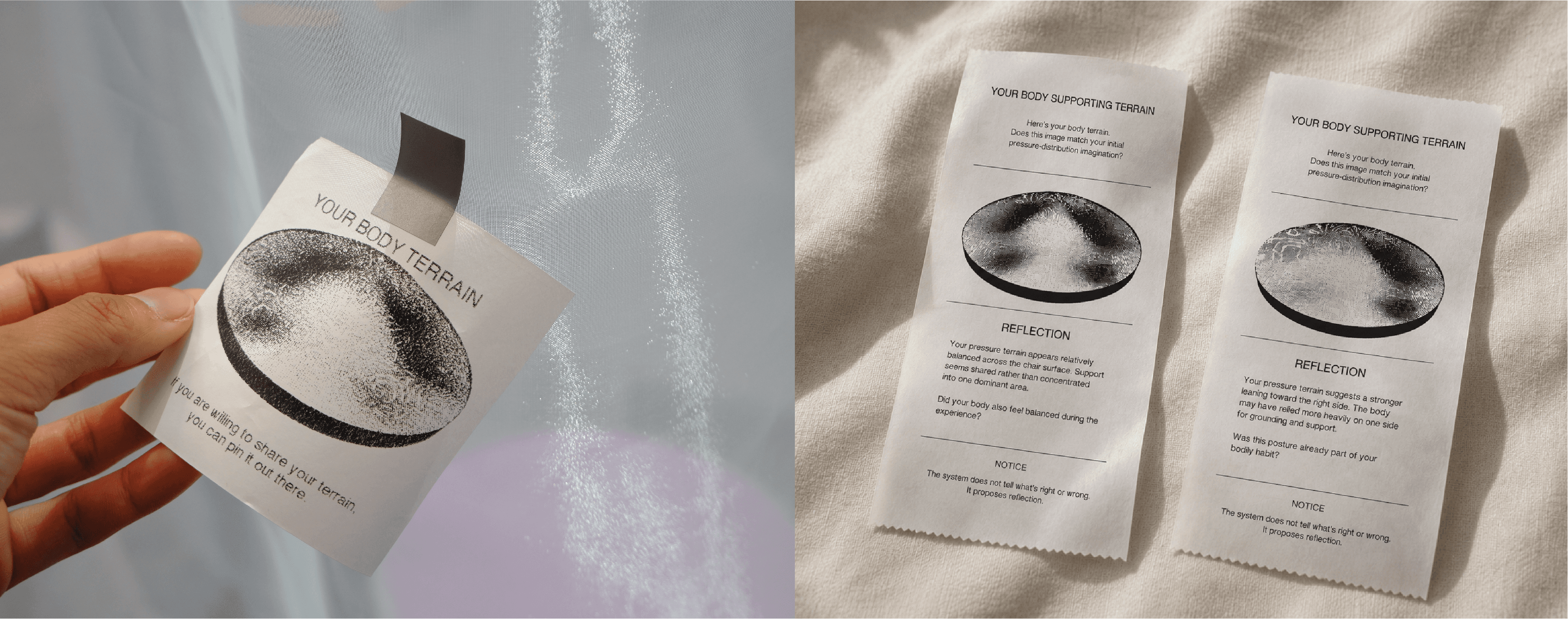
Figure 5. The receipt was designed to only provide fact-based information, leaving blank space for participants to interpret.
Today, I see Creativity & Aesthetics not as making things visually appealing, but as shaping how experiences are perceived, interpreted, and remembered. Through visual, material, and spatial design decisions, I aim to create conditions that support engagement, reflection, and meaning-making.
Related courses and activities
DPM115 Project 1 Design
DPM120 Project 2 design research
DDPM210 Preparation Final Master Project
DDM150 User experience theory and practice
DCM130 Design for social innovation
DDPM220 Final Master project


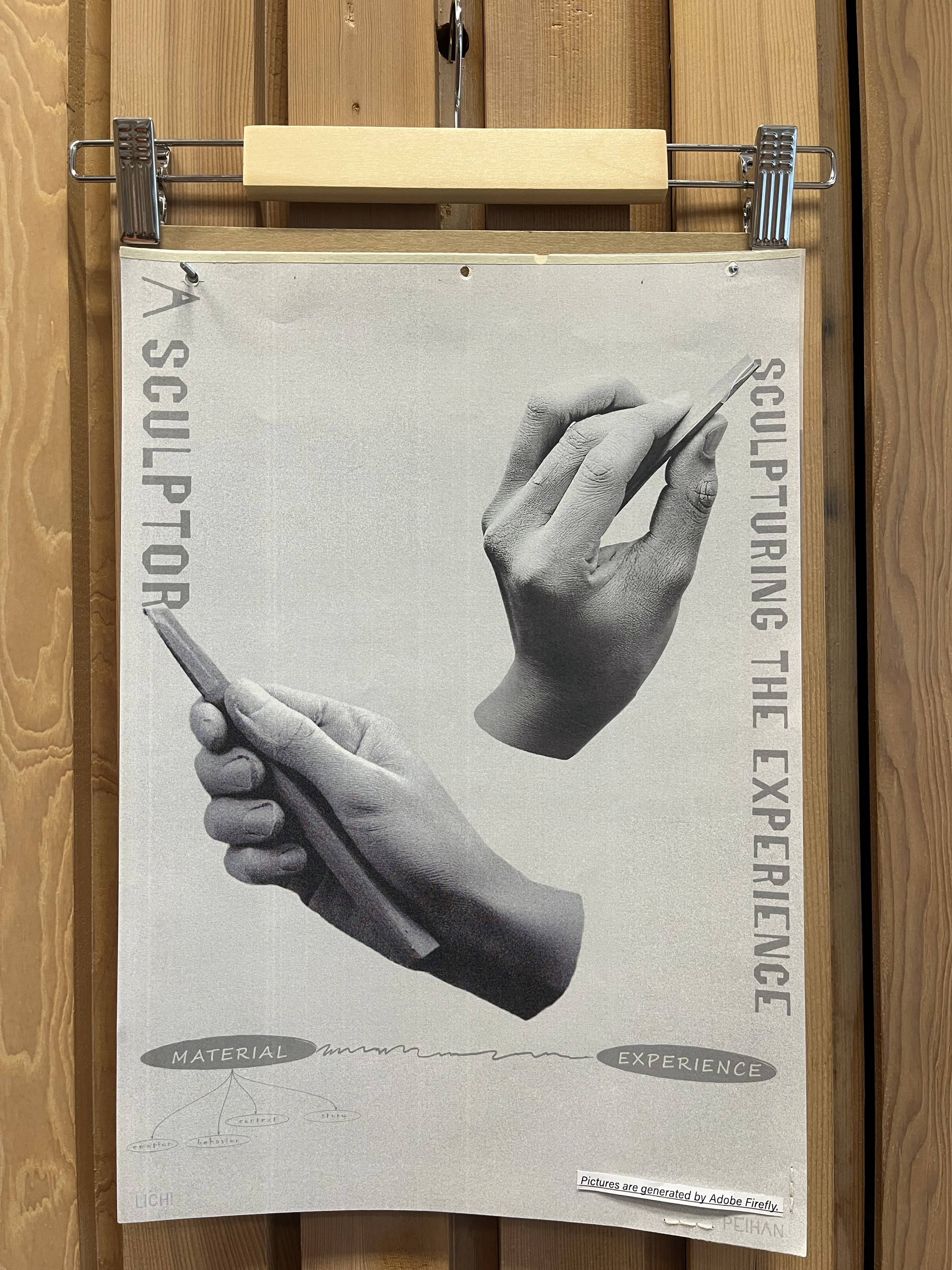
Photo credit
The right image of Figure 2 and the right image of Figure 5 are the mock-ups created by ChatGPT 5. The content of those pictures is based on real deliverables I created. Other than these two, all pictures were taken by me.